
Understanding the Basics of Color Temperature
You might think of light as bright or trendy, but color temperature is equally vital. Color temperature sets the warmth or coolness of lighting in a space. On the Kelvin (K) scale, color temperature progresses from warm, gentle glows to hard, icy whites. Low Kelvin (around 2700K) provides a warm, yellow light, and high Kelvin (5000K+) provides a harsh, bluish light. Learn to use color temperature and you can select the mood for each room in your home.
How Color Temperature Influences Atmosphere and Well – Being
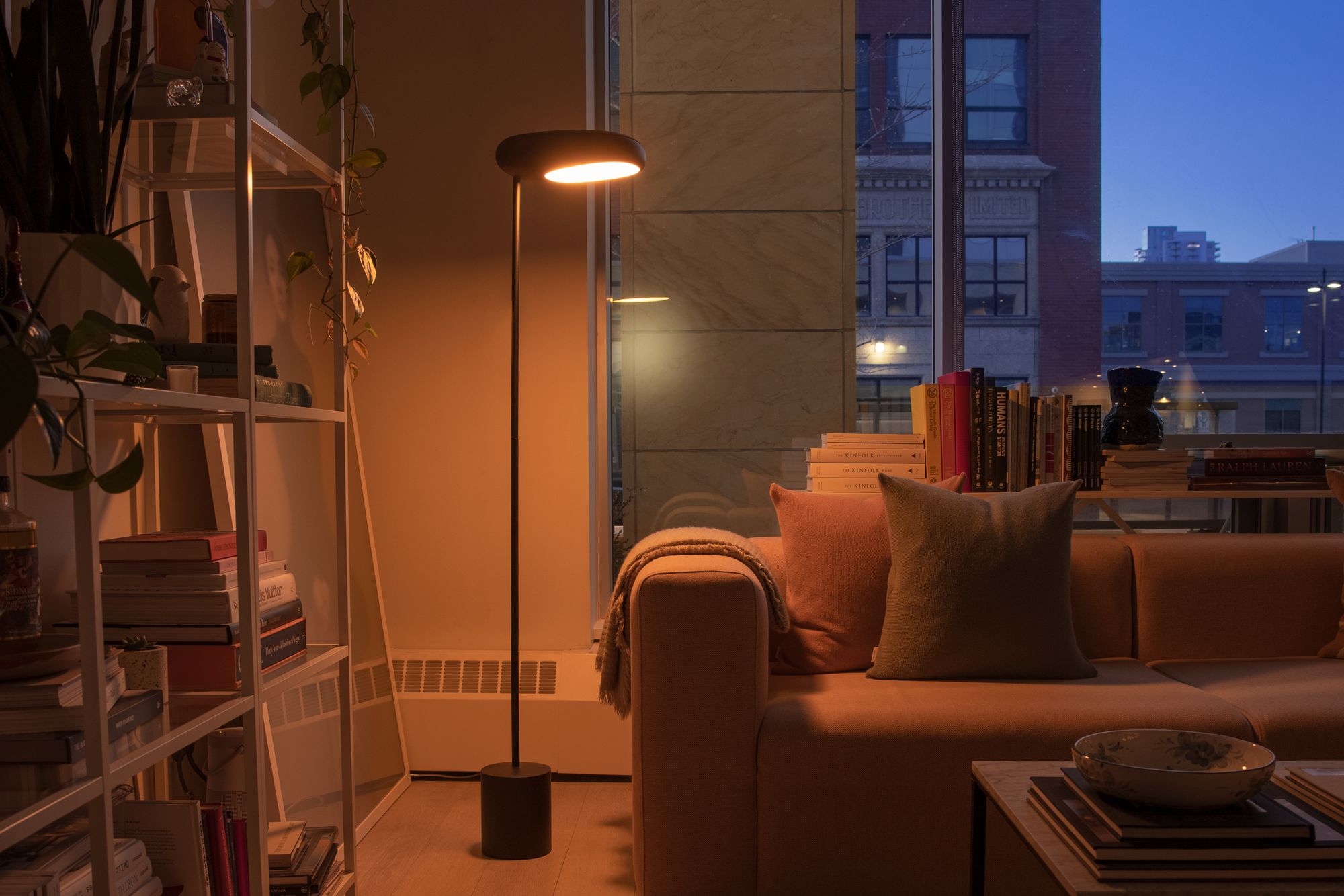
2700K to 3000K soft warm light is ideal where you want to curl up and snuggle. From the living room, bed room, and dining room, the warm light has you unwinding and settling in and adds warmth to the area. It also goes well with warm color paint and natural textures and improves a sense of relaxation.
Neutral white light, typically 3500K to 4100K, is appropriate for bathrooms, kitchens, and work environments. It is not unflattering but creates balance. It makes you alert and awake but is never offensive. Neutral light is perfect if you have sleek decor or shades of blue as it forms highlights of the same without overwhelming the room.
Cool white or daylight colors of 5000K and above are ideal for task lighting and activities that require accuracy. Garages, workshops, and home offices will typically be able to utilize bright, cool light to reduce eye strain and boost productivity. Having this temperature in the entire house, however, may be clinical if utilized excessively. In most parts of the house, warmer and neutral colors will be more natural and inviting.
Tips for Choosing the Right Light for Every Space
Think about how you intend to utilize each room and what type of atmosphere you want to create. Warm light is your selection for relaxation areas and evening. Neutral light adds energy and focus to the kitchen or bathroom. Cool light is ideal for specific activities or when you want the most light. Combining different color temperatures will make a sophisticated lighting system that adjusts for every moment in the day. Beware to be consistent – if you’re combining warm and cool light, make sure that the transitions do not feel jarring but are smooth instead. Think about how natural daylight combines with artificial light throughout the course of a day, as well. North – facing rooms might have warmer bulbs making up for cool daylight, and south – facing rooms might have to employ neutral tones in order not to feel overheated. Dimmable lighting and smart controls are especially convenient, allowing you to control the light and mood to your heart’s content. For the widest selection of fixtures in every color temperature, consider browsing a trusted lights shop that offers expert guidance and quality options.
Keep an eye for more latest news & updates on My Stories List!